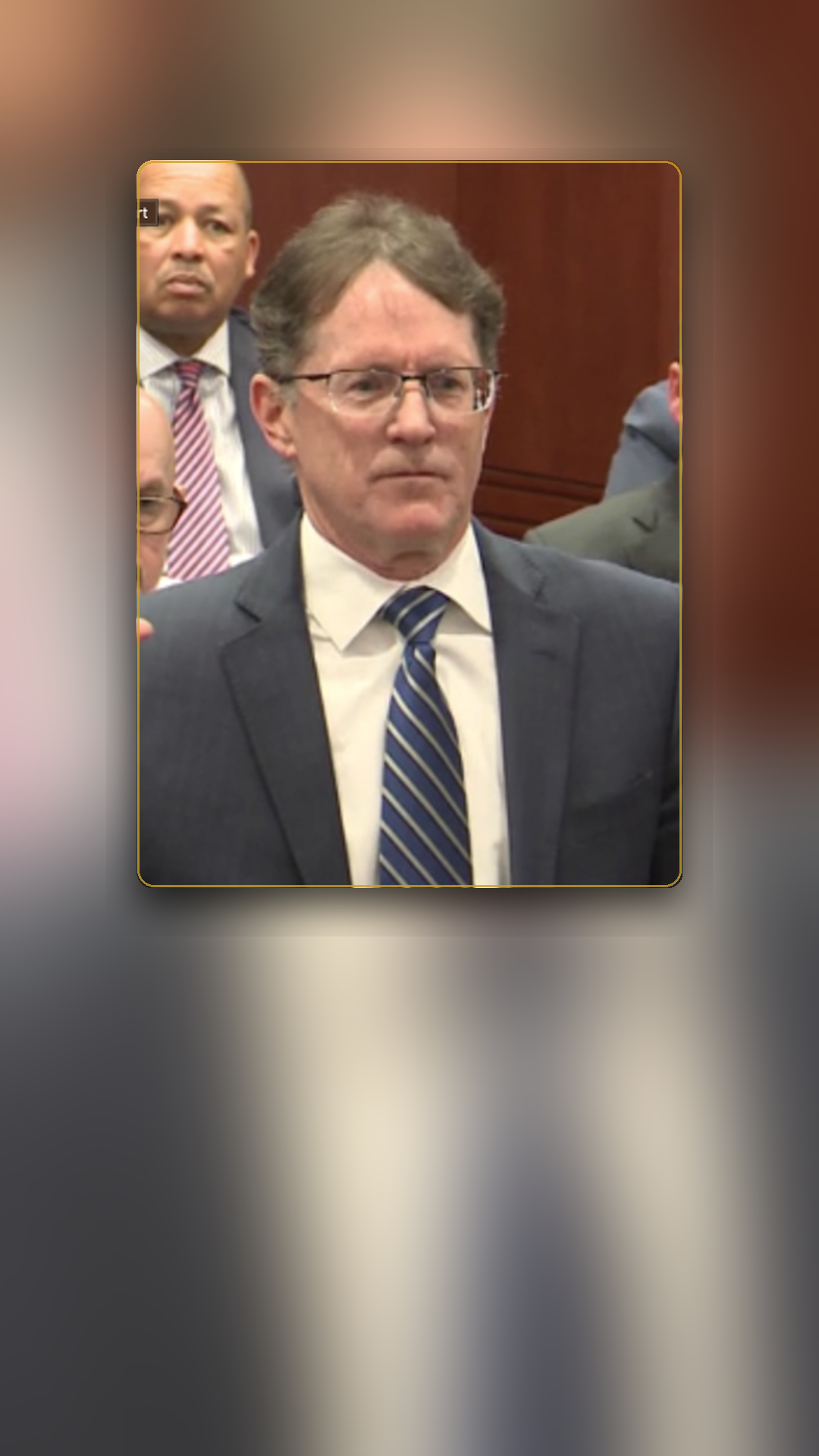
Court actor · Public record · CT
ThomasO'Neill
Judge
5 families reportedStamford Family courtLatest report May 2026
Sponsored by
SHARE THE SLIDES
The exact pack Meg posts — cover, every family quote, state stats, the global pattern, and the closing cards. Straight from the live generator.
Loading slides…
WHAT FAMILIES SAY
Schoonmaker, George, Blomberg, Bryniczka & Welsh P.C., counsel of record for the Plaintiff in Rosenwald v. Rosenwald, FST-FA26-6078292-S, comprises numerous attorneys with deep, longstanding, and ongoing institutional, bar-leadership, and CLE-platform ties to the very Connecticut Superior Court bench from which the Honorable Thomas Joseph O'Neill — who, as a former Day Pitney LLP partner in the firm's Stamford commercial-litigation practice, has never disclosed under Canon 2.11(B) whether Day Pitney represented any of the Rosenwald-affiliated financial entities or trusts at issue in this dissolution — issued, without articulated reasoning, a one-line April 29, 2026 denial of the pro se Defendant's Practice Book § 13-5 motion specifically invoking the Fifth Amendment privilege against self-incrimination in light of eighty-five pending § 53a-223 criminal counts, twenty days before the Honorable Ronald E. Kowalski II then placed that same Defendant under oath at the outset of court-initiated sanctions inquiry on overlapping factual subject matter — and in a docket where multiple FST Family Judges have, per the on-record acknowledgment of the Honorable Jennifer DeCastro-Tunnard on May
Allowed for full financial bankruptcy of a stay at home mom by allowing for delays and harassment to occur
Made judicial decisions in complete opposition of child/psychology experts
Refused to hear imminent harm motions for months until the damage was already done
Now notorious as the judge removed from the Ambrose case where he ignored every psychological expert who said the children were abused
Stated a proven domestic violence victim of being “the problem”
These are allegations reported directly by families through the survey. They are published because 5 unrelated households independently described this court actor — the public-record threshold.
Family-reported submissions.